

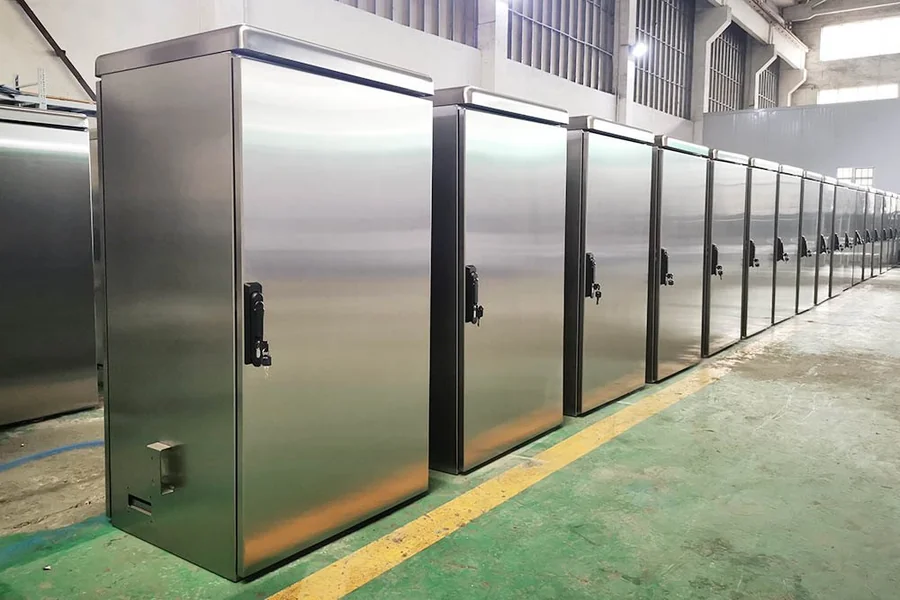
Electronic components are the brains behind countless operations, from manufacturing floors to public utilities. Protecting these sensitive systems from harsh environments is not just a good idea; it’s essential for safety, reliability, and operational continuity. For robust and dependable safeguarding, many industries turn to a Stainless Steel Enclosure. This solution offers a superior defense against physical impact, corrosive agents, and extreme temperatures, ensuring that your critical electronics remain secure and functional.
Why Your Electronics Need Superior Protection
Modern electronics are more powerful and compact than ever, but they are also incredibly delicate. Exposure to elements like moisture, dust, chemicals, or even fluctuating temperatures can lead to malfunction or complete failure. A system failure can result in costly downtime, production losses, and significant safety hazards.
Standard enclosures might offer basic protection, but they often fall short in demanding settings. This is where stainless steel excels. Its inherent properties provide a level of security that other materials simply cannot match, making it the premier choice for protecting high-value electronic investments.
The Unmatched Benefits of Stainless Steel Enclosures
Choosing stainless steel for your electronic enclosures brings a host of advantages that directly impact performance, longevity, and return on investment.
Exceptional Durability and Strength
Stainless steel is known for its impressive strength-to-weight ratio. It can withstand significant physical impacts without denting or breaking, protecting the delicate components housed inside. This makes it ideal for high-traffic areas or environments where machinery and equipment are in constant motion. Its structural integrity ensures long-term performance without warping or degradation.
Unrivaled Corrosion Resistance
Perhaps the most celebrated quality of stainless steel is its resistance to rust and corrosion. This is due to the presence of chromium, which forms a passive, self-repairing layer on the surface when exposed to oxygen. This protective film shields the metal from moisture, chemicals, and saline environments. As a result, stainless steel enclosures are perfectly suited for marine applications, chemical processing plants, and food and beverage facilities where frequent washdowns are standard practice.
Superior Thermal Performance
Electronics generate heat, and managing this thermal output is critical for performance. Stainless steel possesses excellent thermal conductivity, helping to dissipate heat away from the enclosed components. Furthermore, it maintains its structural integrity across a wide range of temperatures, from extreme cold to intense heat, ensuring consistent protection no matter the ambient conditions.
Hygienic and Easy to Clean
The non-porous surface of stainless steel prevents bacteria, mold, and other contaminants from taking hold. This makes it incredibly easy to clean and sanitize, a critical requirement in the food and beverage, pharmaceutical, and healthcare industries. The ability to withstand aggressive cleaning agents without degrading further enhances its suitability for these sterile environments.
Common Applications Across Industries
The versatility of stainless steel enclosures makes them a go-to solution for a wide array of sectors. Their reliability ensures that operations continue smoothly, safely, and efficiently.
Manufacturing and Industrial Automation
Factory floors are dynamic and often harsh environments. Stainless steel enclosures protect programmable logic controllers (PLCs), variable frequency drives (VFDs), and other control systems from dust, debris, and physical hazards. This protection minimizes the risk of equipment failure that could halt an entire production line.
Food and Beverage Processing
In this industry, hygiene is paramount. Stainless steel enclosures house control panels and electronics for processing equipment, withstanding frequent high-pressure washdowns and harsh cleaning chemicals. Their corrosion-resistant and hygienic properties are essential for meeting strict regulatory standards.
Energy and Utilities
From wastewater treatment plants to electrical substations, critical infrastructure relies on sensitive monitoring and control electronics. Stainless steel enclosures shield these systems from the elements, ensuring the reliable delivery of essential public services. They are often used outdoors, where they resist rain, snow, and UV radiation.
Marine and Coastal Environments
The salty air in coastal and marine settings is highly corrosive to most metals. Stainless steel’s resistance to salt spray makes it the ideal material for protecting navigation equipment, communication systems, and control panels on ships, docks, and offshore platforms.
Selecting the Right Stainless Steel Enclosure
Choosing the correct enclosure is vital to guaranteeing effective protection. Consider these factors to make an informed decision:
- NEMA and IP Ratings: Look for the NEMA (National Electrical Manufacturers Association) or IP (Ingress Protection) rating. These standards classify the degree of protection an enclosure provides against solids (like dust) and liquids (like water). A NEMA 4X rating, for example, indicates a watertight, dust-tight, and corrosion-resistant enclosure suitable for both indoor and outdoor use.
- Grade of Stainless Steel: The two most common grades are 304 and 316. Type 304 is a cost-effective choice for general-purpose applications. For environments with high salinity or exposure to harsh chemicals, Type 316 offers superior corrosion resistance due to the addition of molybdenum.
- Thermal Management: Assess your cooling needs. Will passive ventilation suffice, or do you need to incorporate active cooling solutions like fans or air conditioning units? Ensure the enclosure can be modified or is designed to accommodate your thermal management strategy.
- Size and Customization: The enclosure must be large enough to house all components comfortably while allowing for proper airflow and wiring. Consider future expansion needs. Many suppliers offer customization options, such as cutouts for conduits, windows, and mounting hardware, to fit your exact specifications.
By carefully evaluating your application’s unique demands, you can select a stainless steel enclosure that provides uncompromising protection and ensures the longevity of your critical electronic systems.
