

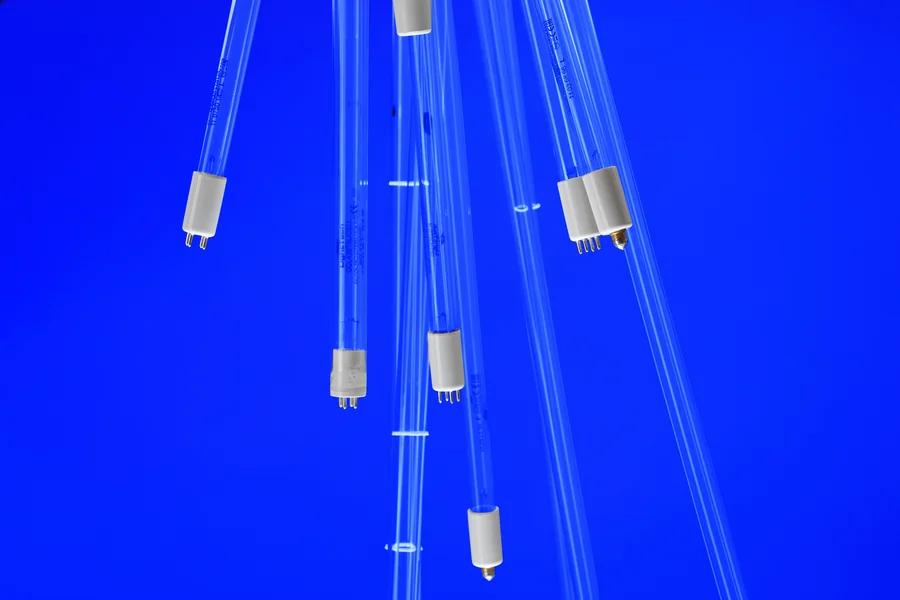
Industrial plants juggle workers, raw materials, and fast-moving equipment, leaving germs plentiful opportunities to hitch a ride. To keep contamination from crippling output, many sites now deploy germicidal UVC lamps – short-wave ultraviolet fixtures that break microbial DNA in seconds. The light works silently above production lines, sanitizing air and surfaces between shifts without adding chemicals or causing costly delays.
Precision Pathogen Control With UVC
Unlike broad-spectrum disinfectants that coat everything in their path, UVC energy can be directed only where germs lurk. Engineers model lamp intensity, distance, and dwell time so each photon lands a DNA-shattering punch against bacteria, molds, and viruses hiding on conveyor belts, filling stations, or HVAC coils. Because the photonic assault dissipates within millimeters, sensitive electronics, gaskets, and lubricants remain unharmed.
That surgical accuracy lets quality managers hold microbial counts near zero for food, beverage, and pharmaceutical runs without risking premature equipment wear or flavor carry-over. With sensors verifying dose delivery in real time, the system provides hard data that auditors and customers can trust.
Reducing Chemical Dependency and Residue
Traditional sanitation relies on quaternary ammonium sprays, peroxides, or chlorine, all of which leave residue that must be rinsed away and documented. Germicidal UVC cuts that chemical cord, slashing the barrels of sanitizer a facility must purchase, store, and dispose of. Less chemical traffic means lower fire risk, simpler hazard communication, and fewer personal protective equipment changes for staff racing to meet shift targets.
Even better, UVC treatment eliminates the chance of flavor taint or surface corrosion that can follow aggressive scrubbing agents, extending the lifespan of stainless tanks, painted floors, and sensitive optical sensors used in automated inspection lines.
Boosting Operational Efficiency and Compliance
Time lost to manual wipe-downs is time that conveyor motors, kiln heaters, and packaging robots sit idle. Overhead UVC fixtures disinfect continuously or during micro-pauses in production, shrinking sanitation windows from hours to minutes. That recovered uptime translates straight into additional throughput and revenue.
Regulators also smile on the method: the FDA recognizes properly designed UVC as a food-contact surface sanitizer, and OSHA cites it as an engineering control that reduces worker exposure to bloodborne pathogens. Digital loggers attached to each lamp create a tamper-proof audit trail, allowing facilities to demonstrate due diligence during inspections or recall investigations with a few keystrokes.
Protecting Workforce Health and Reputation
Airborne pathogens do not clock out at shift change, and a single outbreak can sideline a production crew, stall orders, and tarnish brand credibility. Upper-room UVC air units and enclosed conveyor tunnels neutralize microbes before they drift into break rooms or shipping bays, trimming absenteeism and healthcare costs.
During the 2025 avian influenza flare-up, poultry processors equipped with high-output UVC networks reported infection rates a fraction of industry averages, reinforcing investor confidence and securing premium contracts. By choosing a visible, science-backed solution, plant leaders send a message of proactive stewardship that resonates with certification bodies, employees, and eco-conscious end consumers alike.
Conclusion
Germicidal UVC lamps give factories the gift of cleaner operations without added complexity. By zapping microbes instead of drenching them, facilities trim chemical bills, reclaim uptime, and shield crews from illness. In an era when a single recall can sink a brand overnight, that quiet violet glow is more than illumination – it is industrial peace of mind.
Moreover, eliminating harsh detergents lowers wastewater processing fees, easing environmental compliance while shaving hidden expenses from already marginal manufacturing budgets, month after month, routinely.
