

In the world of home design, few debates are as enduring as the one between maximalism and minimalism. On the surface, these styles could not appear more different. Minimalism celebrates space and simplicity, while maximalism thrives on abundance, layers, and personality. Yet both are less about trends and more about how a home reflects the rhythms of daily life. Choosing a style is not merely a matter of taste; it is a declaration about how you move through the world, what you value, and the kind of energy you wish to inhabit in your home.
Maximalism and minimalism are often portrayed as opposites, but they share an essential goal: to create spaces that support their inhabitants. Where minimalism seeks calm, order, and clarity, maximalism seeks richness, texture, and storytelling. Both ask the same fundamental question: what truly matters in the spaces you occupy? Understanding the underlying principles of each style helps translate them into homes that resonate with your values and taste.
The Emotional Pull of Minimalism
Minimalism is often misunderstood as cold or impersonal. In truth, it is deeply human in its intent. It is a deliberate rejection of excess in favor of what brings genuine value and joy. In a minimalist home, each object is chosen carefully, its presence meaningful rather than incidental. Clean lines, neutral palettes, and uncluttered surfaces cultivate a sense of calm, allowing the mind to rest and focus.
For those whose lives are very busy or chaotic, minimalism offers refuge. The uncluttered surfaces, organized storage, and thoughtfully edited decor create spaces that soothe the senses. This approach also encourages mindfulness: every item in the home earns its place, and each one is easier to maintain. Minimalism is as much about habit as it is about design, teaching restraint and promoting a slower, more intentional pace of living.
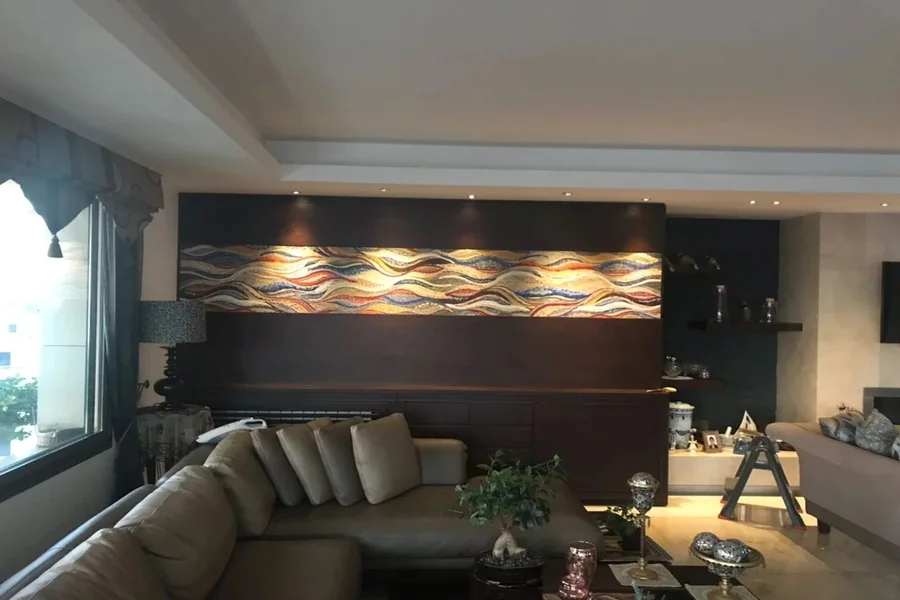
Minimalist interiors are not devoid of warmth or character. Natural materials such as wood, stone, and linen, when layered carefully, create tactile richness without visual noise. Light plays a central role, emphasizing volume and openness. A single piece of art, like an abstract mosaic displayed over a sofa or console, can become a focal point, its presence amplified by the simplicity of the surrounding space. In minimalism, the quiet elegance of an object is heightened because it has room to breathe.
The Joy of Maximalism
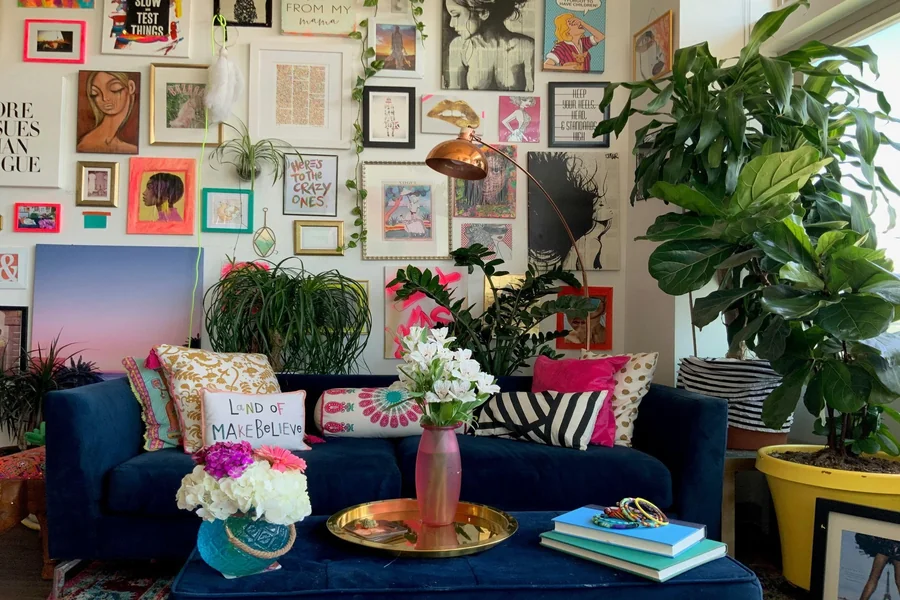
If minimalism is about restraint, maximalism is about liberation. It is a celebration of color, pattern, and individuality. In a maximalist home, walls, floors, and furnishings often compete for attention in a way that feels orchestrated rather than chaotic. Layers of textiles, art, and decorative objects convey personality and history, telling stories about the people who live there.
Maximalism thrives on juxtaposition. A vibrant wallpaper might coexist with a richly patterned rug, and shelves overflow with books, ceramics, and curiosities collected over years. In a maximalist home, a celestial mosaic in a bedroom or living room can feel right at home, with its intricate details echoing the layered sensibility of the space. Every corner becomes an opportunity to surprise and delight, transforming mundane spaces into immersive experiences.
The emotional appeal of maximalism is equally potent. For extroverts, creatives, or anyone drawn to sensory richness, abundance feels energizing. Maximalism encourages self-expression and risk-taking, allowing the home to become a living gallery of identity. It is not merely decoration, but a way of communicating who you are and what you cherish.
Determining Your Lifestyle Fit
Choosing between maximalism and minimalism requires honest reflection. How do you want to feel when you step into your home? Do you crave sanctuary, quiet, and simplicity, or do you seek energy, vibrancy, and inspiration? Your daily rhythms, personality, and habits all influence the answer.
Consider how you interact with your belongings. A minimalist lifestyle favors those who appreciate space and organization, those who enjoy editing their environment regularly to maintain clarity. Maximalists, on the other hand, thrive on variety and visual stimulation, finding comfort and identity in the presence of many layers. Neither style is inherently superior; their value lies in alignment with your way of life.
Space and scale also matter. Minimalism often works best in smaller homes or apartments where visual simplicity prevents overcrowding. Maximalism can flourish in larger spaces that can accommodate layers without overwhelming movement or sightlines. Yet both approaches are adaptable. Minimalist principles can create pockets of calm in an otherwise lively home, while maximalist touches can energize areas within a predominantly minimalist environment.
Blending the Extremes
Increasingly, homeowners are discovering that the extremes of maximalism and minimalism need not be mutually exclusive. Thoughtful layering creates spaces that balance clarity and abundance, restraint and self-expression. For instance, a living room may maintain clean lines and neutral walls but incorporate select maximalist elements, like a gallery wall or a carefully chosen rug. These interventions add personality without disrupting overall serenity.
Blended spaces encourage dialogue between form and content. Minimalist surfaces provide relief, allowing bold patterns, vibrant colors, or textured materials to stand out. Conversely, maximalist zones benefit from the visual breathing room of minimalist areas, preventing sensory overload. This hybrid approach emphasizes intentionality, ensuring every choice serves the home’s broader narrative.
Materiality and Texture
Regardless of style, materiality plays a pivotal role in shaping the emotional experience of a space. Minimalist interiors rely on the natural beauty of materials, letting wood grain, stone veining, and woven fibers provide tactile depth. Maximalist interiors embrace diversity: metal, glass, velvet, and ceramics coexist, each adding complexity and rhythm.
Textures can also bridge the stylistic divide. A smooth plaster wall might provide a calm backdrop for a vibrant artwork, while layered textiles and mixed materials in furniture and decor can create richness in otherwise restrained rooms. Thoughtful selection of surfaces communicates sophistication in both styles, demonstrating that sustainability, comfort, and visual appeal can coexist.
Color and Light
Color and light influence mood and perception, shaping how a home feels regardless of style. Minimalist homes often employ neutral palettes with subtle accents, emphasizing natural light and reflections. This approach creates calm expanses that feel open and airy, allowing key objects or artwork, like abstract mosaic art, to take center stage.
Maximalism embraces bold color, pattern, and contrast. Jewel tones, vibrant murals, and layered textiles energize spaces and encourage exploration. Light interacts differently in these environments, highlighting texture, enhancing layers, and adding drama. Whether muted or vivid, color and light are integral to the emotional impact of a room, defining its personality and usability.
Practical Considerations
Lifestyle alignment is critical, but so are practicalities. Minimalist spaces often require more consistent maintenance and organization to preserve their intended clarity. Maximalist interiors, while visually forgiving, demand intentional editing to avoid chaos and maintain cohesion.
Storage strategies, circulation, and furniture scale are vital in both approaches. In minimalism, integrated storage and multipurpose furniture prevent clutter from eroding the sense of calm. In maximalism, display solutions like shelves, cabinets, and built-ins ensure that abundance remains curated rather than overwhelming.
Budget considerations also factor in. Minimalist designs often rely on higher-quality key pieces, as fewer items must endure daily life and carry visual weight. Maximalist homes can mix high-end pieces with more accessible finds, layering them in a way that feels curated and personal.
Emotional Resonance Over Rules
Ultimately, the debate between maximalism and minimalism is not about rules, it is about emotion. A home should respond to its inhabitants, reflecting their values, habits, and personality. Minimalism fosters introspection, calm, and simplicity, while maximalism invites energy, engagement, and storytelling. Both have the power to nurture, inspire, and elevate daily life when executed thoughtfully.
Your home need not be rigidly defined by a single style. Many find that shifting between approaches in different rooms, or even within the same space, creates balance. A minimalist bedroom might coexist with a more maximalist living area, or a restrained kitchen may open onto a richly layered dining space. The key is intentionality: understanding why each choice exists and how it contributes to your experience.
Making the Style Your Own
Style becomes meaningful when it is personal. Minimalism and maximalism offer frameworks, but the final result should be uniquely yours. Incorporate artwork, collectibles, textiles, and objects that resonate with your history, your travels, and your passions. In maximalist spaces, a large-scale painting can serve as a dramatic visual anchor, reflecting imagination and curiosity. In minimalist spaces, a single piece of abstract art can command attention and provide emotional depth without competing with surrounding simplicity.
When you design in alignment with your personality, your home becomes more than a collection of objects; it becomes a living, breathing reflection of who you are. The goal is comfort, functionality, and emotional resonance.
Finding Harmony in Choice
Maximalism and minimalism need not exist in opposition. By understanding the principles behind each, homeowners can craft interiors that honor both restraint and exuberance. Intentionality is the unifying thread: every surface, object, and texture contributes to a cohesive vision.
In the end, the “right” style is the one that supports the life you want to live, the experiences you wish to cultivate, and the emotions you hope to foster within your home. Whether you find peace in minimalism, energy in maximalism, or joy in a thoughtful combination of both, design is most powerful when it is lived, felt, and embraced.
