
Training young athletes goes far beyond drills and game day. Consistency, patience, and clear structure often matter more than raw talent. Whether you’re a coach, a supportive parent, or someone mentoring kids through sport, building the right habits early can help young athletes stay healthy, motivated, and confident long-term.
The goal isn’t to push kids to perform like professionals. It’s to create a balanced routine that supports both their growth and enjoyment of the game. That means focusing on simple things that stick — regular movement, good food, quality rest, and a mindset that welcomes failure as part of progress.
Prioritise Consistency Over Intensity
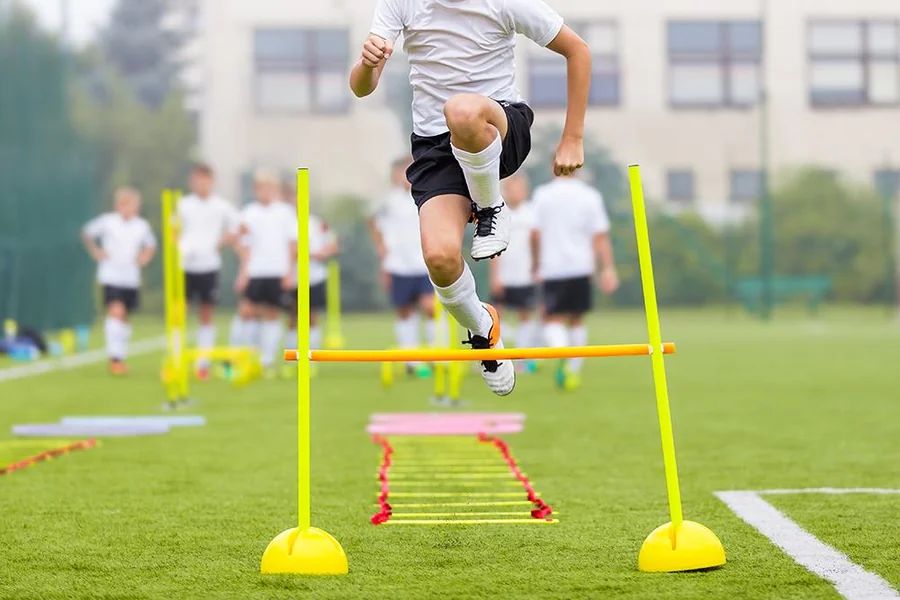
Kids don’t need seven-day training schedules or military-style workouts. What they benefit from is repetition and structure. A weekly routine that includes two or three training sessions, plus rest and recovery days, works best for most. The key is keeping things consistent and age-appropriate.
Try breaking training into short, high-energy segments with clear instructions. It’s easier for kids to stay engaged and pick up good habits when the sessions are fun, not draining. And remember, skipping a session here and there won’t ruin their progress, it’s about what they do most of the time, not all the time.
Keep Nutrition Practical And Simple
Meal plans and macros aren’t necessary for young athletes, but smart food choices make a huge difference in their energy and recovery. Aim for meals that include whole grains, protein, fruits or veggies, and healthy fats.
What works best? Keep snacks quick and easy: bananas, yogurt, trail mix, or sandwiches. Teach kids to listen to their hunger and not just grab processed food out of habit. Hydration is another non-negotiable, especially during hot or humid training days. A bottle of water within arm’s reach can make a real difference in focus and endurance.
Make Sleep A Non-Negotiable Part Of The Plan
Rest isn’t just for injury prevention. It’s a major part of building muscle, boosting focus, and improving overall performance. Most young athletes need at least 9–11 hours of sleep, especially during growth spurts.
If late-night screens or irregular bedtimes are a problem, try introducing a wind-down routine. Dim the lights, switch off devices an hour before sleep, and keep bedtimes consistent. This one habit can drastically improve performance without lifting a single weight.
Let Failure Become A Learning Tool
Not every game will be a win. And that’s fine. Building resilience means helping kids reframe failure as part of learning. Missed goals, bad passes, or tough losses should be talked through — not ignored or punished.
What helps? Ask open-ended questions. “What do you think you could try next time?” or “What felt off today?” These moments aren’t just about sport. They build emotional skills like problem-solving and self-reflection that carry far beyond the pitch.
Create A Strong Support System
Kids do better when they feel safe, supported, and encouraged. Whether that’s a coach who sets clear expectations or a parent who cheers from the sidelines, consistency in support builds trust.
That includes listening, not just talking. Ask them how training feels, what they’re enjoying, and what they find frustrating. When kids feel like their voice matters, they’re more likely to stay involved and committed.
If you’re looking for structured support to back all this up, it’s worth checking out the young athlete development programs offered by HAD Football. They offer an approach that balances physical growth with skill and mindset training, making it easier for kids to thrive in sport over the long term.
Watch Out For Signs Of Overtraining
While it’s great to see enthusiasm, too much too soon can backfire. Fatigue, irritability, trouble sleeping, or loss of appetite could mean it’s time to pull back.
Kids should still want to show up, laugh, and enjoy their sport. If that spark starts to fade, it’s worth reassessing the training load and giving them time to reset. A few days off or a lighter week can actually help long-term gains.
Mix It Up With Cross-Training Or Active Play
Focusing on just one sport too early can limit physical development. Try introducing other activities like swimming, dancing, running, or even free play. This not only reduces the risk of injury but builds a wider skill set that often improves overall performance.
It’s also a great way to break up training monotony. When movement feels like play, kids stay more motivated and engaged.
Support Mental Health As Much As Physical Strength
Confidence, focus, and emotional regulation all impact how a young athlete performs. Support doesn’t always mean giving advice. Sometimes, it means knowing when to back off, when to encourage, and when to seek help.
If you’re unsure where to start, there’s plenty of help around. One great resource is how sports psychology helps youth performance, which offers clear insights into the mental side of development.
Helping young athletes build good habits isn’t about pressure — it’s about preparation. The goal is to support growth without losing the joy that sport brings. With the right foundation, kids can keep doing what they love and keep getting better at it, one season at a time.
