

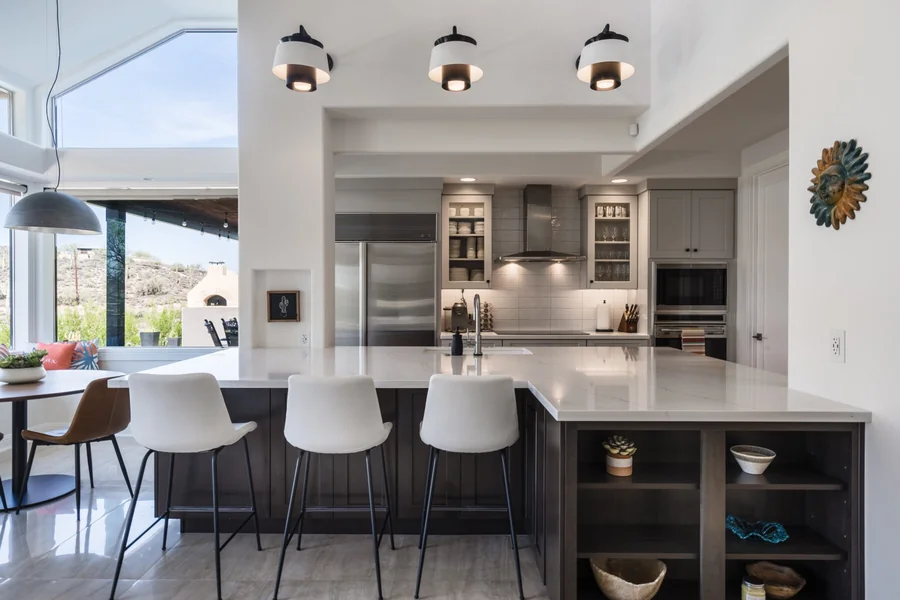
So, you’re looking around your house and wondering if maybe—just maybe—it’s time for a little more elbow room. Maybe your kitchen is basically a one-person dance floor, or your family’s outgrown the old living room, or you’re picturing an office with a real door and no more Zoom calls from a closet. Whatever the dream, building an addition is a big deal. But before the sawdust starts to fly, there’s a lot to think through, and trust me, a little up-front planning now can save you a lot of headaches later.
Getting Real About Your Why
First things first: what’s truly motivating you? New baby on the way? Aging parents moving in? Want that classic sunroom for your plant babies? Pinpoint what problem you’re solving since it shapes everything (seriously, everything) else. Adding square footage is great, but not if it’s just more space to clean with no real payoff.
Budget Blinders—Don’t Wear Them
Let’s talk money, even if it makes you want to run for the hills. Additions always cost more than you expect—materials, labor, permits, finishes—all of these numbers add up. And then there are the surprise expenses that show up halfway through (hello, leaky pipes). Start with a realistic budget, add 15–20% as your “just in case” fund, and be ready for a few trade-offs. Make a dream list, then separate it into absolute, gotta-have items and nice-to-haves you’ll live without if the budget groans.
The Paperwork Parade
You’ll need to pull permits, and every city loves its own red tape. Some HOAs have rules about everything from paint color to how far you can build near the property line. Don’t try to skate by without checking—one missed permit can put your project on ice or cost you a chunk in fines later. Call your local building department before anyone swings a hammer.
How Will the Addition Affect Your Day-to-Day?
Construction is loud, messy, and rarely done on time (sorry, but it’s true). Think about how an active job site will affect your life. Do you have kids, pets, or work from home? Where will you put furniture? Can you stay put, or will you need to crash at the in-laws for a week or two? These are the nitty-gritty questions that make a huge difference.
Does the Design Make Sense?
The prettiest addition in the world won’t help if it sticks out like a sore thumb. Make sure your new space flows naturally from the old one, inside and out. Function matters just as much as form—think about how you’ll actually use the new area every day (and how it’ll impact the rest of your house). A good designer or contractor will help you see the big picture, not just slap extra square footage onto whatever wall fits.
Pick the Right Team (And Do Your Homework)
Hiring pros for home renovation services can honestly make or break your experience. Get multiple bids, ask for references, check their licensing, and talk through your expectations. Clear communication at this stage is your ticket to sanity—don’t shy away from the nitty-gritty.
Don’t Forget Resale and Long-Term Value
Will your addition actually add value, or just cause trouble if you sell? Chat with a local real estate agent to make sure you’re not overbuilding for your area. Sometimes bigger isn’t always better when it comes to your neighborhood.
Adding onto your home is a big leap, but getting clear on goals, budget, permissions, and picking the right crew goes a long way. At the end of the day, a little planning now means you end up loving your new space, not wishing you’d just settled for moving the couch.
