

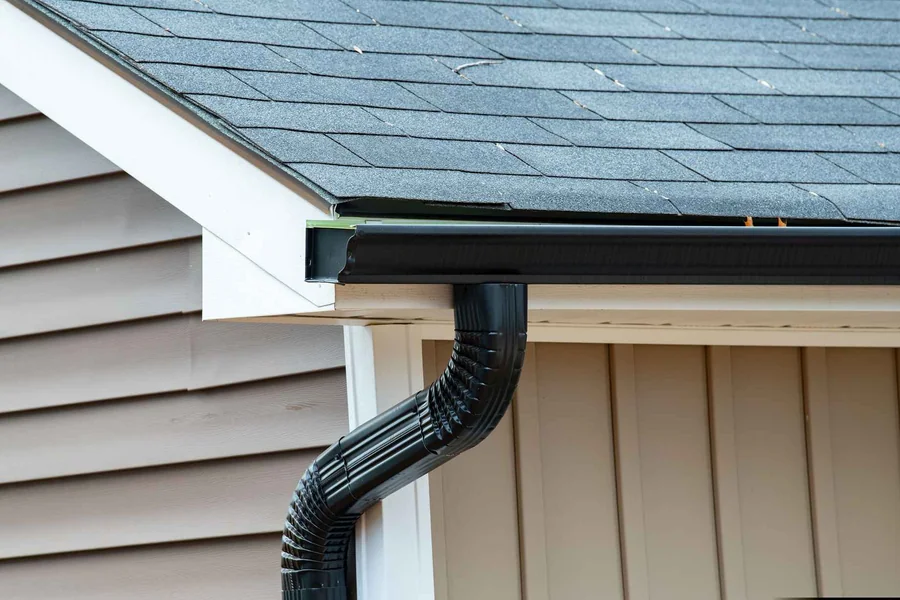
Roof pitch plays a fundamental role in how effectively water moves off a structure during rainfall or snowmelt. It refers to the roof’s steepness or slope, and even slight variations can significantly affect how water drains. A properly designed pitch ensures that water flows quickly and efficiently toward gutters and downspouts, reducing the chances of accumulation or structural stress. When pitch is not suited to the building or climate, water may linger longer than intended, increasing the risk of damage over time. Understanding how roof pitch interacts with drainage systems helps property owners recognize its importance in protecting both the roof and the overall structure.
Understanding Roof Pitch and Drainage
Steeper Slopes and Rapid Water Flow
Roofs with steeper slopes tend to allow water to drain quickly, minimizing the time moisture remains on the surface. This rapid movement reduces the likelihood of water seeping into shingles or underlying materials. When water flows efficiently, it carries debris away more effectively, preventing buildup that could block drainage pathways.
However, steep slopes also require careful design to ensure water is properly directed into gutters without overshooting them. The speed at which water travels can create challenges if the drainage system is not aligned with the roof’s pitch. Despite these considerations, steeper roofs generally provide an advantage in reducing prolonged exposure to moisture. This contributes to the longevity of roofing materials and helps maintain the building’s structural integrity over time.
Low-Slope Roofs and Water Retention Risks
Low-slope roofs present a different set of challenges for drainage efficiency. Because the angle is less steep, water tends to move more slowly across the surface, increasing the risk of pooling. Standing water can place additional weight on the roof and create conditions that allow moisture to penetrate protective layers.
This type of roof design requires careful attention to drainage systems, including the placement of drains and the use of materials suited to slower water flow. Property owners often rely on residential roofing services in Hanover to address these challenges and ensure that low-slope roofs are properly equipped to manage water flow. Without proper planning, water retention can cause long-term damage to both the roof and the structure beneath it.
Impact of Pitch on Material Performance
The effectiveness of roofing materials is closely tied to the pitch of the roof. Certain materials are designed to perform better on specific slopes, as their ability to shed water depends on the angle at which they are installed. For example, shingles rely on gravity to guide water downward, making them more effective on steeper pitches.
On lower slopes, materials must provide additional protection against water infiltration, as drainage is slower and more prone to interruptions. If materials are not matched to the appropriate pitch, their performance can be compromised, leading to leaks and premature wear. Ensuring compatibility between pitch and materials is essential for maintaining effective drainage and protecting the roof from long-term damage.
Debris Accumulation and Drainage Disruption
Roof pitch also influences how debris, such as leaves, dirt, and branches accumulate on the surface. Steeper roofs tend to shed debris more easily, as gravity helps move it downward along with water. This reduces the likelihood of blockages that can interfere with drainage.
In contrast, low-slope roofs are more prone to debris buildup, as the reduced angle allows materials to settle and remain in place. Over time, this accumulation can obstruct water flow, leading to pooling and increased stress on the roof. Regular maintenance is essential to ensure that drainage pathways remain clear, especially on roofs with minimal slope. By managing debris effectively, property owners can maintain proper water flow and reduce the risk of damage.
Structural Stress and Load Distribution
The pitch of a roof also affects how weight is distributed across the structure. Water, snow, and debris all contribute to the load placed on the roof, and improper drainage can increase this burden. Steeper roofs allow these elements to slide off more easily, reducing the overall weight the structure must support.
Low-slope roofs, on the other hand, may experience prolonged exposure to accumulated water or snow, increasing the stress on structural components. Over time, this added weight can lead to sagging or other forms of structural damage. Proper pitch design helps distribute loads more effectively, ensuring that the roof remains stable under varying conditions. This balance is essential for maintaining both drainage efficiency and structural integrity.
Long-Term Effects on Roof Longevity
The relationship between roof pitch and drainage efficiency directly impacts the roof’s lifespan. Efficient drainage reduces the amount of time water remains in contact with roofing materials, minimizing the risk of deterioration. Over time, this helps preserve the condition of shingles, underlayment, and structural components.
When drainage is compromised due to improper pitch, the effects accumulate gradually. Moisture infiltration, material degradation, and structural stress all contribute to a shortened lifespan. By ensuring that the roof pitch is appropriate for the building and its environment, property owners can protect their investment and reduce the need for frequent repairs or early replacement.
Quick Insight on Roof Pitch
Roof pitch directly influences how water moves across a surface and exits through drainage systems. Steeper slopes promote faster runoff, reducing the risk of pooling and material damage, while lower slopes require careful design to prevent water retention. The interaction between pitch, materials, and drainage systems determines how effectively moisture is managed. When these elements are properly aligned, the roof can handle environmental conditions more efficiently. Maintaining an appropriate pitch ensures water flows consistently, supporting the roof’s long-term durability and minimizing potential issues from moisture buildup.
Maintaining Efficient Roof Drainage
Maintaining efficient drainage involves more than just selecting the right pitch during construction. Regular inspections, proper gutter maintenance, and timely removal of debris all contribute to effective water management. Ensuring that drainage systems are aligned with the roof’s design helps prevent blockages and supports consistent water flow.
Over time, these practices help preserve the roof’s condition and reduce the likelihood of damage from poor drainage. By paying attention to both design and maintenance, property owners can ensure that their roofs continue to perform effectively, protecting the structure from the long-term effects of water exposure.
