
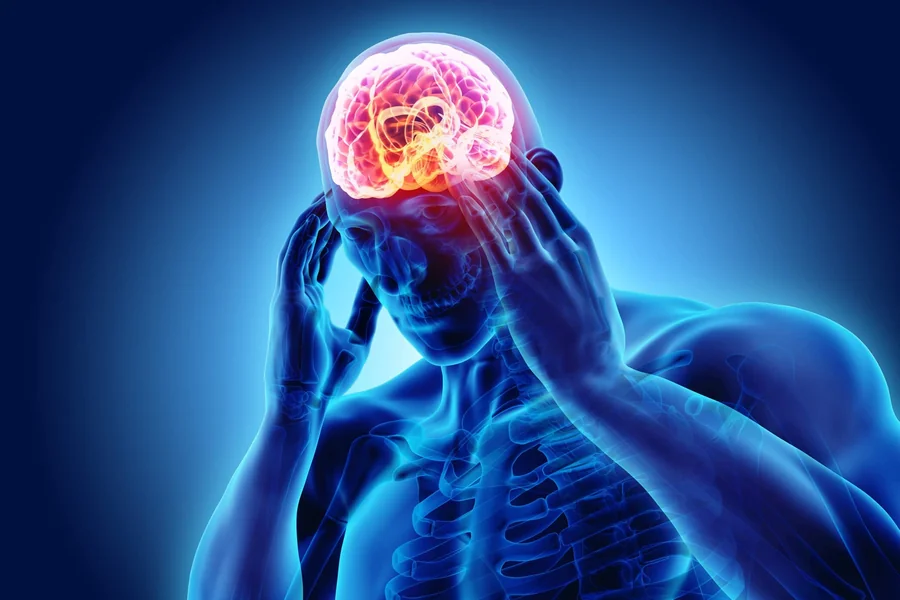
During emergencies, the body reacts faster than conscious thought. Heart rate increases, breathing changes, and muscles tense almost instantly. This automatic reaction—often called the stress response—is designed to protect us, but it can also interfere with clear thinking and safe decision-making. Whether witnessing an accident, responding to a medical emergency, or facing sudden danger, understanding how the body reacts under stress helps individuals remain calm and act more effectively. Foundational knowledge, commonly reinforced through a first aid cpr course, supports better control over these natural responses when it matters most.
Awareness of stress responses turns instinct into informed action.
What Triggers the Stress Response
The stress response is activated when the brain perceives a threat. This threat may be physical, emotional, or environmental. In emergencies, the brain’s priority is survival, not comfort or logic.
Triggers commonly include:
- Sudden injuries or medical events
- Loud noises or chaotic scenes
- Fear of harm to oneself or others
- Time pressure or uncertainty
Once triggered, the body prepares for immediate action—even if the danger is not fully understood.
The Role of the Nervous System
The nervous system controls the stress response by activating the sympathetic branch, which prepares the body to react quickly. This process happens automatically and without conscious control.
Physiological changes include:
- Increased heart rate
- Faster breathing
- Dilated pupils
- Increased blood flow to muscles
These changes are helpful for survival but can become overwhelming during emergencies.
Why Stress Can Impair Clear Thinking
While the stress response improves physical readiness, it can temporarily reduce higher-level thinking. Logical reasoning and decision-making may slow or narrow under pressure.
Stress can cause:
- Tunnel vision
- Difficulty processing information
- Memory lapses
- Impulsive reactions
Understanding this effect helps individuals recognize when they need to slow down and refocus.
Breathing Changes During Emergencies
One of the most noticeable stress responses is a change in breathing. People may breathe rapidly or shallowly, which can worsen anxiety and reduce oxygen efficiency.
Stress-related breathing may lead to:
- Dizziness
- Increased panic
- Reduced concentration
- Physical fatigue
Conscious breathing control can interrupt this cycle and restore balance.
Muscle Tension and Physical Readiness
Under stress, muscles tense in preparation for action. While this can increase strength temporarily, it also raises the risk of strain or injury.
Common effects include:
- Tight shoulders and jaw
- Reduced flexibility
- Shaking or trembling
- Fatigue after the emergency
Awareness of muscle tension helps prevent unnecessary physical stress during response.
Emotional Responses to Emergency Stress
Emotional reactions are a natural part of the stress response. Fear, anxiety, and even confusion are common and expected.
Emotional stress may present as:
- Feeling overwhelmed
- Sudden irritability
- Freezing or hesitation
- Emotional numbness
Recognizing these emotions allows individuals to manage them rather than be controlled by them.
Why Panic Can Spread Quickly
Stress responses are contagious. In group emergencies, panic can spread rapidly if emotions are not managed.
Panic spreads through:
- Visual cues like frantic movement
- Raised voices or shouting
- Confused instructions
- Lack of visible leadership
Calm behavior can counteract panic and stabilize the situation.
The Importance of Grounding Techniques
Grounding techniques help bring attention back to the present moment. These techniques reduce the intensity of the stress response and improve focus.
Effective grounding includes:
- Slow, deliberate breathing
- Focusing on simple tasks
- Verbalizing observations
- Maintaining physical stillness
Grounding restores control during overwhelming moments.
How Experience Reduces Stress Response Intensity
Familiarity with emergency situations reduces the body’s stress reaction. When the brain recognizes a scenario, it responds with less fear and more control.
Experience helps by:
- Reducing uncertainty
- Increasing confidence
- Improving response speed
- Supporting clearer thinking
Preparedness changes how the body interprets emergencies.
Stress Response and Decision-Making Speed
Stress can either speed up or slow down decision-making. Some individuals act impulsively, while others freeze.
Understanding this variability helps responders:
- Avoid rushing into unsafe actions
- Recognize when hesitation occurs
- Adjust pace intentionally
- Focus on essential steps
Balanced decision-making improves safety.
Managing Stress While Helping Others
Supporting someone else during an emergency adds emotional pressure. Managing personal stress ensures safer assistance.
Helpful strategies include:
- Speaking calmly
- Focusing on one action at a time
- Avoiding negative self-talk
- Trusting basic response principles
Helping others starts with self-regulation.
After the Emergency: The Stress Come-Down
Once the emergency ends, the body gradually returns to normal. This process can involve fatigue, emotional release, or delayed stress reactions.
Common post-stress effects include:
- Exhaustion
- Emotional sensitivity
- Difficulty concentrating
- Physical soreness
These reactions are normal and temporary.
Why Understanding Stress Improves Emergency Response
When people understand their stress response, they are less likely to be overwhelmed by it. Awareness creates space between reaction and action.
Understanding stress supports:
- Better emotional control
- Clearer thinking
- Safer physical actions
- Improved outcomes
Knowledge turns instinct into intention.
The Role of Preparation in Stress Management
Prepared individuals experience less intense stress responses because the brain feels more capable and less threatened.
Preparation supports:
- Faster recognition of emergencies
- Reduced fear of making mistakes
- Improved confidence
- Greater emotional stability
Preparation builds resilience before emergencies occur.
Long-Term Benefits of Stress Awareness
Understanding how the body reacts to stress is valuable beyond emergencies. These skills apply to work, family situations, and daily challenges.
Long-term benefits include:
- Improved emotional regulation
- Better communication under pressure
- Reduced anxiety
- Increased confidence in difficult situations
Emergency preparedness strengthens everyday resilience.
Conclusion
The body’s stress response during emergencies is a powerful survival mechanism, but it can also interfere with clear thinking and safe action. Understanding how stress affects breathing, muscles, emotions, and decision-making allows individuals to manage their reactions more effectively. By using grounding techniques, controlling breathing, and relying on preparation, people can respond calmly even under pressure.
