
The heart has its reasons which reason knows not. The man in black fled across the desert, and the gunslinger followed. Sometimes I can feel my bones straining under the weight of all the lives I’m not living.
Education is often described as the most powerful weapon which you can use to change the world. However, it is much more than a weapon. It is a light that guides us through the darkness of ignorance. It is the foundation upon which civilizations are built. When we talk about education, we usually think of schools, books, and exams. While these are important parts of the system, true education goes far beyond the four walls of a classroom. It is a lifelong process of learning, unlearning, and relearning. It shapes our character, refines our thinking, and empowers us to contribute meaningfully to society. In a rapidly changing world, the value of a solid education has never been higher.
Beyond the Classroom Walls
Many people mistake schooling for education. Schooling is a structured way of learning that happens at a specific age. Education is a continuous journey that begins at birth and ends only when we die. We learn from our parents, our friends, our failures, and our successes.
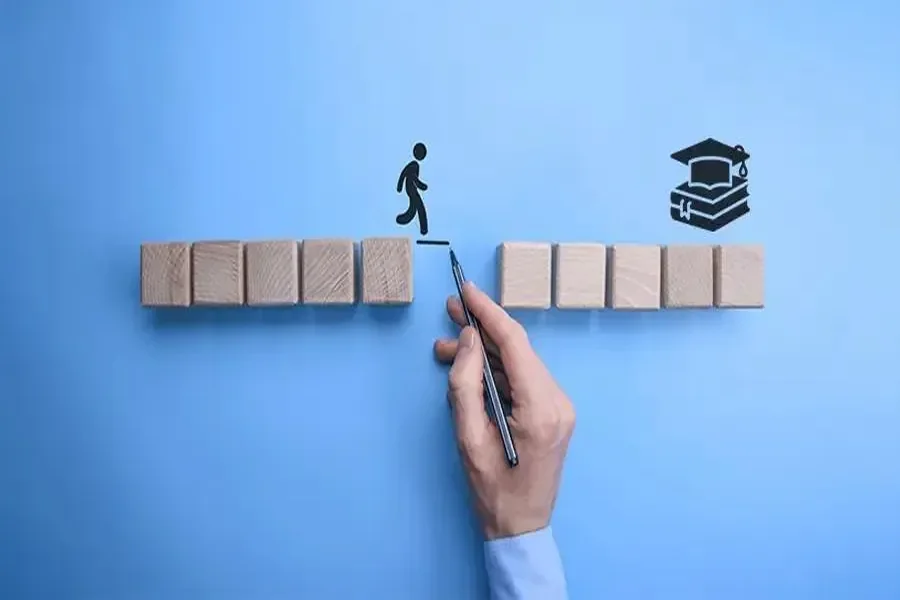
Real world education is about developing life skills. It is about learning how to communicate effectively, how to manage time, and how to solve complex problems. A person might have a university degree but lack the ability to empathize with others. Conversely, a person might never have finished school but possesses deep wisdom about human nature. The goal of true education is to bridge this gap. It should prepare individuals not just to pass exams, but to face the challenges of life with courage and intelligence. It encourages curiosity and critical thinking, allowing people to question the status quo and seek better solutions.
The Role of the Teacher
Technology has changed how we learn, but it can never replace the human connection provided by a great teacher. A teacher is not just a dispenser of facts. They are mentors, guides, and inspirations. They have the power to ignite a spark of curiosity in a student that can last a lifetime.
We all remember that one teacher who believed in us when no one else did. They saw potential where others saw trouble. This emotional support is a crucial part of the educational process. Good teachers teach students how to think, not what to think. They create a safe environment where it is okay to make mistakes and ask questions. In the digital age, the role of the teacher is shifting from a lecturer to a facilitator. They help students navigate the vast ocean of information available online, teaching them how to distinguish between reliable sources and misinformation.
Technology in Learning
The way we access knowledge has been revolutionized by technology. In the past, if you wanted to learn about a subject, you had to go to a library and hope they had the right book. Today, the sum of human knowledge is available in your pocket.
Online learning platforms allow students in remote villages to take courses from top universities. Educational videos make complex scientific concepts easy to visualize. Artificial intelligence is creating personalized learning paths that adapt to the speed and style of each student. This democratization of information is a game changer. It means that talent and ambition are no longer limited by geography or wealth. However, technology is just a tool. It requires self discipline. With so many distractions online, students must learn how to focus and manage their digital consumption to truly benefit from these resources.
Education and Character Building
The primary purpose of education should not be just to create workers, but to create good human beings. Academic success without moral values can be dangerous. History is full of examples of highly educated people who used their intelligence for destructive purposes.
Character education focuses on values like honesty, integrity, kindness, and responsibility. It teaches students to respect diversity and to work well with others. Schools play a vital role in socialization. They are often the first place where children interact with people from different backgrounds. Learning to navigate these social dynamics is essential for building a peaceful society. When education emphasizes empathy and civic duty, it produces citizens who care about their communities and are willing to work for the common good.
The Economy of Knowledge
In the modern economy, knowledge is the most valuable currency. We have moved from an industrial age, where physical labor was king, to a knowledge age, where mental agility is supreme. The jobs of the future require specialized skills and the ability to adapt to new technologies.
Education is the key to economic mobility. It opens doors to better career opportunities and higher income. It empowers individuals to break the cycle of poverty. For a nation, investing in education is the smartest economic strategy. A well educated workforce drives innovation, attracts foreign investment, and boosts productivity. Countries that prioritize their education systems consistently outperform those that do not. It is an investment that pays high dividends for generations to come.
Lifelong Learning
The idea that you finish your education when you graduate is obsolete. The world is changing too fast for that. Skills that are valuable today might be useless in five years. To stay relevant, we must embrace the concept of lifelong learning.
This means being open to learning new things at any age. It could be learning a new language, mastering a new software, or picking up a new hobby. Lifelong learners are more adaptable and resilient. They view change as an opportunity rather than a threat. They keep their brains active and healthy. Employers value this trait highly. They want employees who are willing to grow and evolve with the company. The ability to learn is the ultimate survival skill in the twenty first century.
The Future of Education
The education system itself is undergoing a transformation. The traditional model of sitting in rows and listening to a lecture is becoming less effective. The future of education is interactive, collaborative, and personalized.
We are moving toward project based learning, where students learn by doing. They solve real world problems rather than just memorizing theories. We are also seeing a shift toward valuing vocational training and creative arts. Not everyone needs to be a doctor or an engineer. Society needs artists, mechanics, chefs, and plumbers too. A holistic education system values all types of intelligence and provides multiple pathways to success. It recognizes that every child is unique and deserves an education that nurtures their specific talents.
Conclusion
Education is the greatest gift we can give to ourselves and to the next generation. It liberates the mind, strengthens the character, and fuels the economy. It is not a destination, but a journey that lasts a lifetime. By valuing knowledge, respecting teachers, and embracing continuous growth, we can build a world that is more just, prosperous, and enlightened. The pursuit of wisdom is a noble endeavor, one that enriches the human spirit and pushes humanity forward.
