

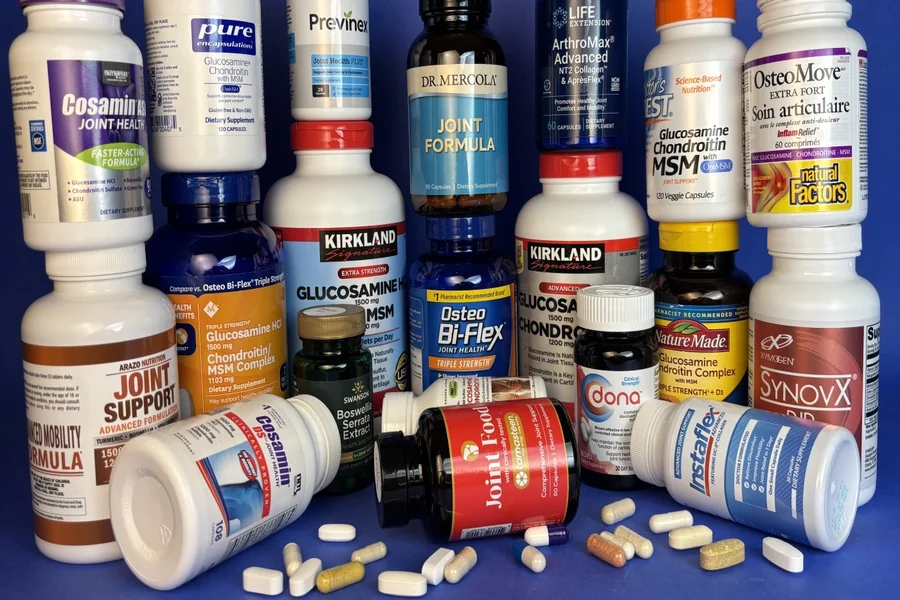
Staying active often tops every healthy-aging checklist, yet aching knees and stiff hips can make motion feel like a chore for many seniors. Inside a vibrant senior living community, residents frequently trade stories about supplements that promise renewed ease of movement.
Two names rise to the surface again and again—glucosamine and chondroitin. Understanding how these compounds interact with aging cartilage can help seniors decide whether to add them to a daily routine.
The Aging Joint: Why Cartilage Needs Extra Care
Cartilage, the smooth tissue that cushions the ends of bones, endures decades of wear before subtle fraying begins. In seniors, thinning cartilage means less shock absorption with every step, twist, or lift. Microscopic damage triggers inflammation that further erodes joint surfaces, creating a cycle of pain and loss of flexibility.
Because cartilage lacks its own blood supply, it relies on joint fluid and surrounding tissues for nutrients; once deterioration accelerates, the body struggles to repair it quickly. Supplements that nurture cartilage components can therefore become valuable allies for seniors intent on extending an active lifestyle.
Glucosamine: Supporting Natural Cushioning
Glucosamine occurs naturally in the body as a building block of glycosaminoglycans, the molecules that give cartilage its resilient, gel-like quality. Supplemental glucosamine—often sourced from shellfish shells or created in laboratories—aims to bolster the raw materials required for cartilage maintenance. Studies suggest that consistent daily doses may modestly reduce stiffness and support mobility by encouraging the production of proteoglycans, the spongy proteins that help joints stay lubricated.
While results vary, many seniors report gradual improvement after eight to twelve weeks, especially when gentle exercise accompanies supplementation. Choosing reputable brands and consulting a healthcare professional remains essential, since purity and dosage can influence outcomes.
Chondroitin: Reinforcing Flexibility and Shock Absorption
Chondroitin sulfate partners naturally with glucosamine inside joint cartilage, acting like a hydrating magnet that draws fluid into connective tissue. This water retention preserves elasticity, allowing joints to compress and rebound smoothly. Supplemental chondroitin may lessen the activity of enzymes that break down collagen, slowing cartilage loss over time.
Several long-term clinical trials indicate that seniors who take chondroitin experience comparable relief to those using popular over-the-counter pain relievers, yet without the gastrointestinal side effects that sometimes accompany non-steroidal anti-inflammatory drugs. Because molecular weight influences absorption, selecting formulations with proven bioavailability can maximize benefits.
Combining Forces: Practical Tips for Seniors
Research often links the greatest symptom relief to combination products that pair glucosamine and chondroitin, mimicking their natural partnership in healthy joints. Seniors considering this synergistic approach should start with a three-month trial, keeping a simple pain-and-mobility journal to track subtle changes.
Pairing supplements with low-impact activities—such as swimming, tai chi, or cycling—promotes circulation to joint tissues and strengthens surrounding muscles for added support. Adequate vitamin D and omega-3 intake can further temper inflammation, while maintaining a healthy weight reduces mechanical stress on hips and knees. Finally, periodic discussions with a physician ensure that supplements do not conflict with existing medications or conditions.
Conclusion
For seniors determined to keep gardening, strolling, and dancing well into their seventies and beyond, glucosamine and chondroitin offer a science-backed strategy to nurture aging joints. These compounds cannot rebuild cartilage overnight, yet consistent use, sensible movement habits, and regular medical guidance may together provide the comfort and flexibility needed to savor an active, fulfilling life.
