

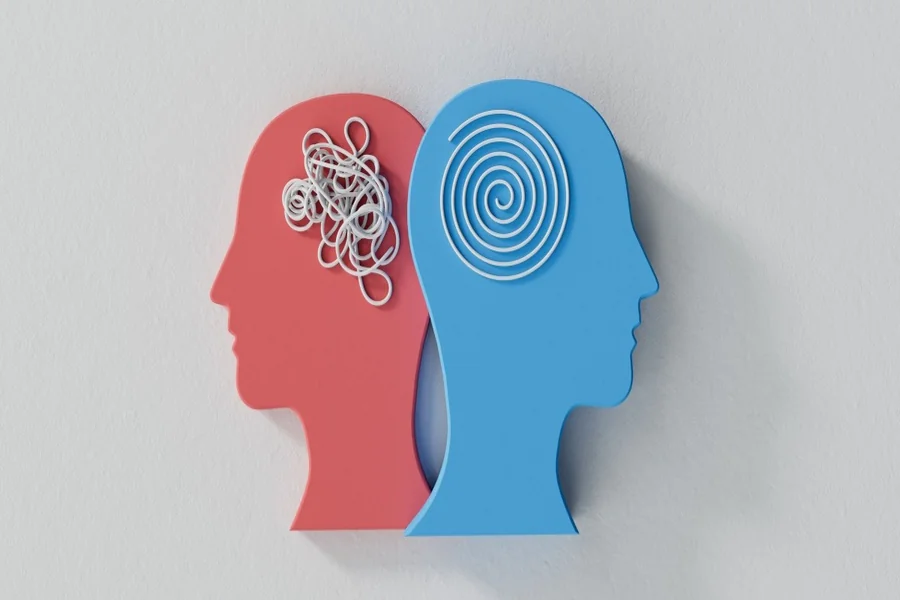
Sometimes it takes years, maybe even decades to realise that certain challenges you’ve always faced could be connected to something deeper. Maybe you’ve struggled with social situations, felt out of step with others, or found sensory experiences overwhelming. For many adults, the idea of autism only becomes relevant later, once they begin recognising familiar traits in someone else or reading something that suddenly feels a little too accurate. That realisation often sparks a mix of relief, curiosity, and confusion—and it’s often what leads people to seek answers.
Understanding What The Process Actually Involves
An adult autism assessment is not about fitting into a category. It’s about gaining a clearer understanding of how your brain works, why certain things feel harder than they seem to be for others, and what supports might actually make a difference. Most assessments start with an initial discussion where a clinician gets to know you, your developmental history, and your reasons for seeking an assessment now.
From there, they might use structured interviews, questionnaires, or diagnostic tools designed specifically for adults. For more insight into these diagnostic tools, readers may find legacystance.com helpful. Some assessments include input from someone who knew you as a child—like a parent or older sibling—to get a better sense of long-term patterns. It’s not just about ticking diagnostic boxes; it’s about building a complete picture.
You Don’t Have To Match A Stereotype
Many adults assume they can’t be autistic if they’ve gone through school, held down jobs, or had relationships. But autism doesn’t always look like it’s portrayed in the media. In fact, many adults develop coping strategies or “mask” their traits without even realising it. This is especially common among women, nonbinary people, and individuals from culturally diverse backgrounds. That’s why adult assessments are so valuable—they take into account the reality of adult life and the ways autism can show up beyond childhood.
What A Diagnosis Can Offer
For many, a formal diagnosis brings relief and validation. It puts a name to things that never quite made sense and can help shift long-held self-criticism into self-understanding. It also opens the door to more practical supports: workplace adjustments, therapy tailored to your needs, or just a better way to communicate your experiences to others.
Of course, not everyone who goes through the assessment process receives an autism diagnosis. Sometimes other neurodevelopmental conditions like ADHD or learning differences come to light. Either way, going through the process can provide insight and direction for what comes next.
Finding the Right Professionals for Support
If you’re thinking about an adult autism assessment in Adelaide, the team at Nurture Allied Health SA offers thoughtful, adult-focused support that’s both thorough and respectful. Rather than rushing through tests, they take time to understand your experiences—past and present—and how they connect to your current challenges. It’s about listening, not labelling.
Tips To Prepare For Your Appointment
Feeling a bit unsure about what to expect? You’re not alone. It can help to jot down things you’ve noticed about yourself—patterns, challenges, or behaviours that made you consider seeking an assessment in the first place. If you have old school reports, health records, or even input from family or friends who knew you growing up, those can all help paint a fuller picture.
Also, think about what you’re hoping to gain. Maybe it’s clarity, self-understanding, or access to specific supports. Having those goals in mind can help guide the conversation and make sure the process meets your needs.
Life Doesn’t Stop At Diagnosis
One of the most common fears is, “What now?” A diagnosis, if you receive one, is not the end of a path—it’s the start of a new kind of understanding. Many adults begin exploring ways to better manage relationships, work demands, or sensory processing challenges in everyday life. The more you understand yourself, the easier it becomes to find the tools that work for you.
So if you’ve been asking questions about why certain things feel harder than they should—or why you’ve always felt just a little out of step—you’re not alone. Taking the step toward assessment is about giving yourself a chance to understand, adapt, and move forward with greater clarity and self-compassion.
