
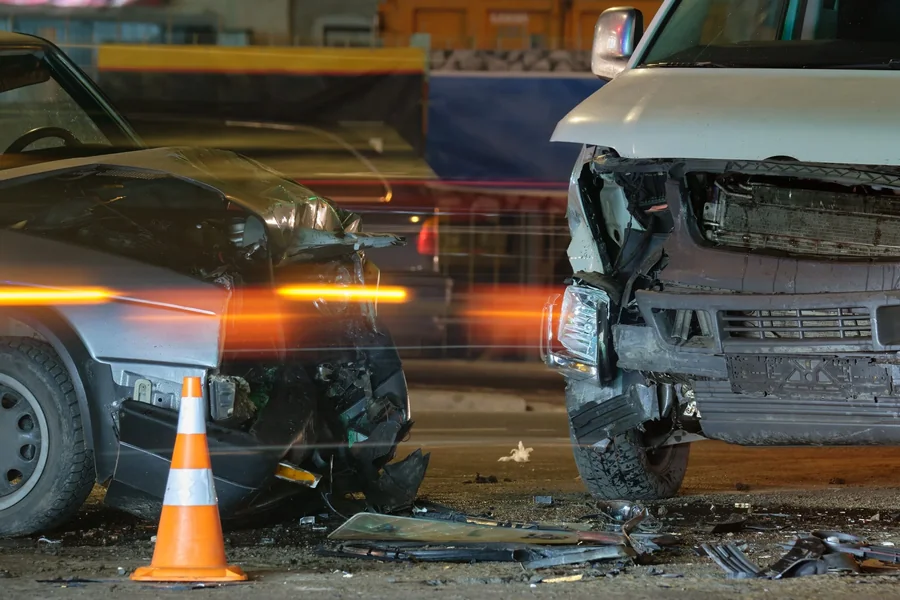
A collision occurs quickly. After passing the Capitol, you suddenly hear sirens, feel anxious, and get confused. That’s a lot. And at that instant, your entire argument can be shaped by tiny decisions. I’ll explain. Your health, claim, and peace of mind may all be impacted by what you do immediately following a collision in Washington, DC. Some errors appear innocuous. They aren’t. Let’s go over the ones you should stay away from and what to do in their place.
The “I’m Alright” Trap
You get out of the vehicle. Not any blood. No fractures. “I’m okay,” you reply. The first error is that. Adrenaline covers up pain. It can take hours or days for injuries like whiplash or internal damage to manifest. Your case may suffer if you neglect your care. Insurance firms adore treatment gaps.
Better move:
Get checked by a doctor the same day. Even if you feel okay.
Not Calling the Police (Big One)
In DC, a police report matters more than people think. Some drivers skip it. Maybe the crash seems minor. Maybe they’re in a rush. Bad idea. That report creates an official record. It helps show who was at fault. Without it, your word stands alone. And honestly, that’s a tough fight.
Better move:
Call the police. Wait for them. Get a copy of the report.
Saying Too Much at the Scene
You know how people say things like, “I didn’t see you” or “That was my fault”? It feels polite. Human, even. But it can come back to bite you. Fault isn’t always clear right away. And those words? They can be used against you later.
Better move:
Stick to facts. Share basic info—name, insurance, license. That’s it.
Skipping Photos (Because It Feels Awkward)
Taking photos at a crash scene can feel strange. But it’s one of the smartest things you can do. Why? Because memory fades. Fast. Photos don’t. Capture:
- Vehicle damage
- Road conditions
- Traffic signs
- Injuries
- The other driver’s car and plate
Even a quick phone snap helps.
Talking to Insurance Too Soon
Here’s the thing—insurance adjusters sound friendly. They ask simple questions. But they’re not on your side. They may ask for a recorded statement. Or push you to settle fast. And quick settlements? Usually low.
Better move:
Pause. Talk to a lawyer before giving any detailed statement.
Waiting Too Long to Get Legal Help
People often wait. They think, “Let’s see how it goes.” That delay can cost you. Evidence fades. Witnesses forget. Deadlines pass. In DC, there’s a strict time limit to file a claim. Miss it, and your case may be over. That’s where a skilled team like Price Benowitz Accident Injury Lawyers, LLP comes in. They handle cases from car crashes to serious injuries like burns or spinal damage. They know the system. They know the pressure points. And they fight back.
Posting About the Crash Online
This one surprises people. You post a photo. Maybe a quick update: “Crazy accident today, but I’m okay!” Seems harmless, right? Not always. Insurance companies check social media. That post can be twisted to downplay your injuries.
Better move:
Stay quiet online until your case is settled.
Ignoring Follow-Up Care
You saw a doctor once. Then life got busy. Work, family, errands—it all piles up. But skipping follow-ups sends a message: maybe the injury wasn’t serious. And that weakens your claim.
Better move:
Stick to your treatment plan. Every visit counts.
So, What Should You Do Instead?
After a crash, keep it simple:
- Get medical care right away
- Call the police
- Take photos
- Share only basic info
- Avoid early insurance talks
- Contact a lawyer
If you need help, a DC Personal Injury Lawyer can guide you step by step. They handle the legal side so you can focus on healing.
Why These Mistakes Matter More in DC
Washington, DC has strict laws. One of them is contributory negligence. Sounds technical, but here’s the gist: If you’re even 1% at fault, you might recover nothing. Yes, really. That’s why small mistakes—like saying the wrong thing—can cost you big.
A Quick Reality Check
Accidents aren’t just about cars. They affect your health, your income, your daily life. Missed work. Medical bills. Stress that lingers. It adds up. And while you can’t undo the crash, you can avoid making it worse.
FAQs
- In DC, what should I do right away following a car accident?
First, look for injuries. Dial 911. If you can, get to a secure location. Take pictures and provide basic information. Then, even if you feel fine, get medical help.
- Do small accidents require legal representation?
It helps, though not always. Even minor collisions can result in unreported injuries or conflicts. A lawyer can assess your case and defend your rights at an early stage.
- What is the time frame for submitting a claim in Washington, DC?
Generally, you have three years to submit a claim for personal injury. But it’s not smart to wait. Your case may be weakened by fading evidence and delays.
- If I was somewhat at fault, may I still get damages?
Contributory negligence laws are stringent in DC. You might not be entitled to damages if you share any fault. This is why legal advice is crucial in this situation.
- After a car accident, what damages can I get?
Pain, property damage, lost pay, and medical expenses are all covered. Long-term care and diminished earning capacity may also be included in severe circumstances.
