

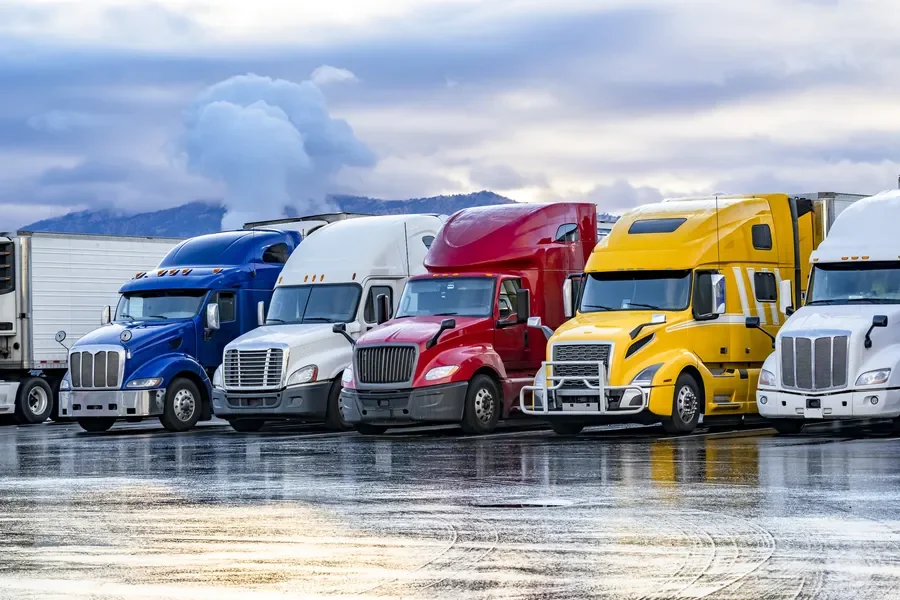
A truck sitting on the shoulder of a highway isn’t just an inconvenience. It’s a contract deadline slipping, a driver stranded somewhere unfamiliar, and a repair bill growing by the hour. For fleet operators, the difference between a minor disruption and a serious operational problem often comes down to one thing: whether the right service relationships were in place before something went wrong.
This guide covers the core towing and repair services commercial fleets depend on, what to look for in a provider, and how to build a service strategy that keeps your trucks moving.
Why Fleets Need Specialized Commercial Truck Services
Semi trucks are not large versions of passenger vehicles. A Class 8 tractor-trailer can weigh up to 80,000 pounds when loaded. Towing one safely requires specialized rotators, underlift equipment, and operators trained in load management and accident recovery. Attempting a commercial breakdown recovery with standard light-duty equipment is both ineffective and dangerous.
The same applies to repair. Semi truck engines, transmissions, air brake systems, and fifth wheel assemblies require commercial-grade diagnostic tools and technicians with direct experience on heavy-duty powertrains. Fleet managers who treat commercial truck maintenance like standard vehicle service consistently find themselves dealing with recurring problems and unpredictable downtime. The right service provider understands the commercial context: the urgency, the regulatory requirements, and the cost structure that separates a vendor from a genuine service partner.
Semi Truck Towing: What the Job Actually Requires
Commercial towing is one of the most technically demanding services in the transportation industry. The variables involved, including vehicle configuration, load status, road conditions, and incident type, determine which equipment and techniques apply. A mechanical breakdown on an accessible highway is the most straightforward scenario, handled by a standard heavy-duty wrecker. Accident recovery involving vehicles in compromised positions requires a rotator crane with 360-degree rotation and significant lift capacity. Cargo recovery, when a load has shifted or a trailer has overturned, adds a further layer requiring load securement specialists.
When evaluating a towing provider for your fleet, the key questions are about equipment and response capability. What is their heaviest rated equipment? Do they operate around the clock? What is their average response time in your primary operating corridors? A provider offering genuine heavy duty towing will answer these questions specifically and have verifiable experience with Class 7 and Class 8 vehicles.
Roadside Assistance and On-Site Repair
Not every breakdown requires a tow. Industry estimates suggest between 40 and 60 percent of commercial truck incidents can be resolved on-site by a qualified mobile technician. Tire blowouts, air system failures, electrical faults, fuel delivery issues, and certain brake problems are all serviceable roadside with the right tools and parts inventory.
A tow to a shop, diagnostic time, and the driver’s return trip adds cost and hours to every incident. A mobile technician who resolves the issue at the breakdown location eliminates several of those steps entirely. For high-mileage fleets operating fixed corridors, mobile repair coverage mapped to those routes is a measurable cost reduction strategy. The best commercial service providers offer integrated roadside assistance alongside towing, with the ability to dispatch either a mobile tech or a wrecker based on an initial assessment.
Shop-Based Heavy Duty Truck Repair
When a truck does need to come in, the quality of the repair facility determines how quickly it goes back out. Commercial shops specializing in heavy-duty vehicles maintain the equipment, parts inventory, and certified technicians to handle the full scope of semi truck maintenance, from routine service intervals to major drivetrain overhauls.
Preventive maintenance is where the strongest service relationships are built. Fleets on disciplined PM schedules covering oil changes, brake inspections, tire rotations, coolant system checks, and DOT compliance verification consistently report lower emergency repair costs and better uptime than those running reactive programs. Every dollar spent on scheduled maintenance returns multiple dollars in avoided downtime.
A quality heavy duty truck repair facility documents service records for every visit, tracks maintenance intervals across your fleet, and flags upcoming needs proactively. That documentation also supports FMCSA compliance, since vehicle inspection records are a regulatory requirement and a repair shop with organized service histories simplifies that burden considerably.
Air Brake Systems: A Fleet Priority
Air brakes are the most safety-critical system on a commercial truck and one of the most common sources of roadside violations during DOT inspections. The FMCSA reports that brake-related violations account for a significant share of out-of-service orders each year, with brake adjustment and component defects topping the list.
Slack adjuster function, air line integrity, chamber condition, and pushrod travel are all measurable, predictable failure points that respond well to scheduled inspection. A shop specializing in commercial vehicles will perform these checks as part of standard preventive maintenance. The cost of a brake-related out-of-service order, factoring in the fine, the tow, the repair, and lost operational time, consistently exceeds the cost of the inspection that would have caught the problem first.
Transmission and Drivetrain Service
Commercial truck transmissions operate under sustained loads that accelerate wear in ways passenger vehicles never experience. Fluid degradation, clutch pack wear, and shift synchronization issues develop gradually and announce themselves through symptoms that are easy to dismiss. A driver reporting rough shifting or delayed engagement should be taken seriously. The cost difference between addressing a developing transmission problem and rebuilding a failed one is substantial.
Drivetrain service also covers the driveshaft, differentials, and wheel ends, all requiring periodic inspection for bearing wear, seal condition, and lubrication. Vocational fleets running dump trucks and tankers tend to see higher drivetrain wear rates than over-the-road operations and benefit from more frequent inspection intervals.
Building a Service Strategy Before You Need It
The fleets that handle breakdowns best made decisions about their service providers before any incident occurred. That means identifying towing and repair partners in each primary operating region, verifying their commercial vehicle capabilities, and making sure drivers have contact information and dispatch protocols ready before they’re on the side of a highway trying to figure out who to call.
Audit your current provider relationships against the routes your trucks actually run. Identify gaps where coverage is thin or where you’re relying on an unvetted provider. Ask your drivers where they’ve had good and bad experiences. The people in the cab usually have the clearest picture of where the gaps are. Downtime is the most controllable cost in fleet operations that most fleets don’t actually control. Build the service relationships before you need them.
