

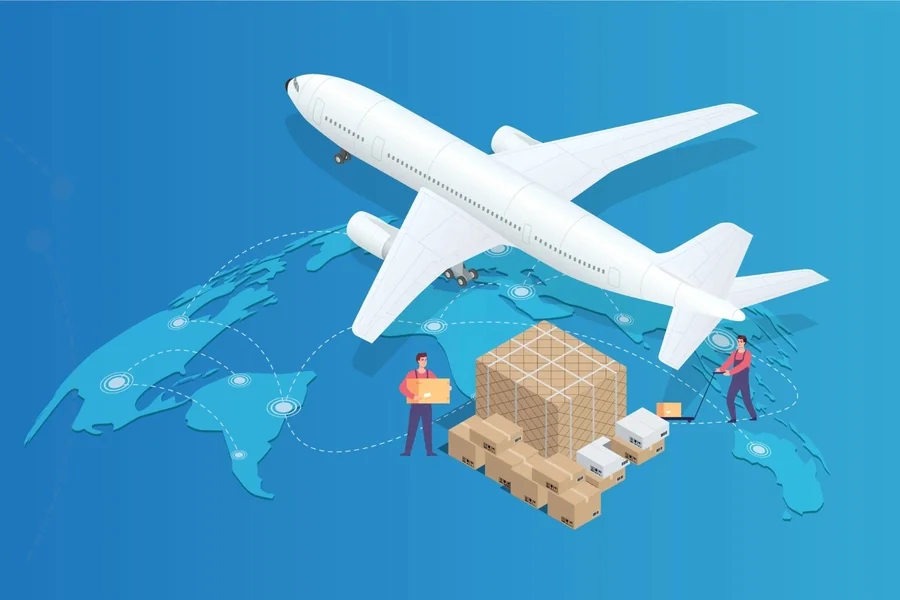
When time is tight and delays aren’t an option, sending goods by air can make all the difference. Whether you’re moving high-value electronics or just trying to meet a retail deadline, air freight is often the fastest way to get from A to B. But just because it’s quick doesn’t mean it’s simple. If you’re new to this shipping method or just want to get better at it, knowing how it works can save you time, money, and stress.
When Should You Choose Air Freight
Air cargo is a solid choice when speed matters more than cost. It’s especially helpful for:
- Urgent deliveries that can’t wait for sea freight
- Lightweight goods that don’t cost a fortune to fly
- Fragile or high-value items that need tight security
Think medical supplies, fresh flowers, or tech gadgets. These types of goods often benefit from quicker transit times and better handling processes that air freight provides.
On the flip side, if you’re shipping heavy items in bulk or working with a longer timeline, sea freight might still be your best bet.
What Affects the Cost of Air Shipping
Air freight pricing is based on either the actual weight or the dimensional weight of your cargo — whichever is higher. That’s why a large but light box can still cost a lot to ship. Other key factors that influence cost include:
- Distance between origin and destination
- Type of cargo and packaging requirements
- Fuel surcharges and security fees
- Speed of service (e.g., express vs. standard)
If you want to avoid surprises, get quotes from multiple providers and ask what’s included in the price. Some may charge extra for customs clearance, door-to-door delivery, or handling fragile goods.
Understanding Freight Forwarders and Carriers
Not all air shipments are handled the same way. Most businesses work with freight forwarders rather than booking directly with airlines. A forwarder acts as your go-between, arranging everything from pick-up to delivery. They know the ins and outs of paperwork, customs, and cargo space availability.
If you’re unsure where to begin, working with a company that offers reliable support in air freight services is often the simplest way to get started. They’ll guide you through the steps and make sure your goods aren’t stuck in limbo.
Common Mistakes to Avoid
There are a few common hiccups that can slow your air cargo down:
- Incorrect paperwork: Incomplete invoices, missing declarations, or wrong HS codes can all trigger delays.
- Poor packaging: Weak boxes or insecure items may be rejected or damaged during transit.
- Not factoring in customs: Every country has different import rules, and it’s easy to overlook local regulations.
- Underestimating transit times: While air freight is fast, delays from customs, bad weather, or airport congestion can still happen.
Getting these things right upfront helps your shipment fly through smoothly.
Tips to Make the Most of It
Air freight doesn’t have to be stressful. Here are a few ways to keep things simple:
- Plan ahead: Don’t wait until the last minute to arrange your shipment, even if the flight time is short.
- Use standard-size packaging: Airlines like cargo that stacks neatly. Avoid odd shapes if you can.
- Label clearly: Include your contact info on every piece, and make sure barcodes are easy to scan.
- Track your shipment: Most services offer tracking so you can monitor progress and prepare for arrival.
- Check local delivery options: Will someone be there to receive the goods? Last-mile delivery can cause delays if overlooked.
What to Know About Customs and Duties
Every country has its own customs process, and air cargo usually goes through faster than sea freight. Still, you’ll need to prepare:
- A commercial invoice
- Air waybill
- Packing list
- Any required permits or declarations
Double-check the rules for your destination country, especially for restricted goods. If you’re unsure, a forwarder or customs broker can help avoid costly issues.
Want a smoother process? It helps to understand how international shipping works so you can plan your logistics without second-guessing every step.
Final Thoughts
Air freight offers unbeatable speed and reliability for the right kind of shipment. If you’re shipping something valuable, time-sensitive, or both, it’s often worth the higher cost. As long as you understand the basics, prepare your documents properly, and work with people who know the ropes, air cargo can be a smart and stress-free way to move goods around the globe.
