

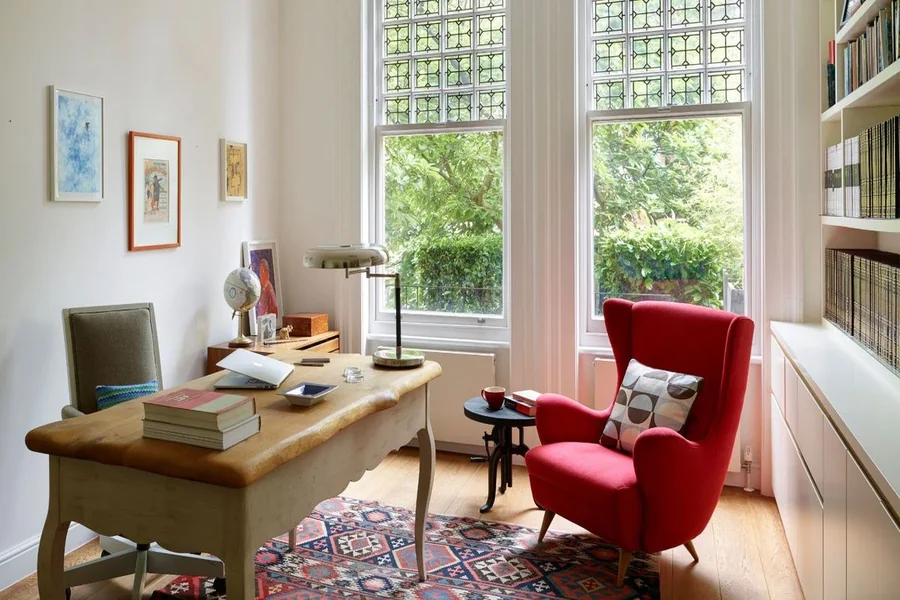
Ask someone what makes an office pleasant and they’ll describe the visible stuff. Nice chairs. Plants by the window. A coffee machine that doesn’t groan when it wakes up. But what actually decides how a workspace feels is the stuff nobody points at: the air, the floors, the corners you stop noticing after a week.
So what separates a space people enjoy from one they tolerate?
The Air Says More Than the Decor
Walk into a room and you feel it before you can name it. Stale air, a faint chemical smell, that heaviness that makes you want to prop a door open. It’s not in your head.
According to the EPA, indoor levels of some pollutants can be two to five times higher than outdoors, and people spend about 90 percent of their time inside. That’s a long stretch to breathe something you never chose.
Everyday products add to the load. Cleaning sprays, varnishes, and hobby supplies all release compounds into the air during use and storage. The fix isn’t dramatic: crack a window when you can, swap harsh sprays for gentler ones, and don’t let dust settle for weeks at a time.
Clean Isn’t a Look, It’s a Feeling
A tidy desk photographs well. A genuinely clean room feels different. You sit down and your shoulders drop. You don’t wipe the chair before you use it, and you don’t hold your breath in the bathroom.
That feeling is built by small, boring habits done on repeat:
- High-touch surfaces first. Door handles, light switches, shared keyboards, and the coffee pot handle collect more than anything else in the room. Hit those daily, not weekly.
- Floors before decor. A vacuumed carpet or a mopped floor changes how a room smells and sounds. Skip it and no amount of styling saves the space.
- Trash on a schedule. Overflowing bins are the fastest way to make a clean room feel dirty. Empty them before they look full.
- Windows and glass. Smudges on glass are one of those details your brain registers without telling you. Wipe them and the whole room brightens.
The Payoff Shows Up in People, Not Photos
Companies care about this beyond appearances, and for a good reason. A study in the American Journal of Infection Control, summarized here, found that workplaces with routine cleaning saw a 30 percent drop in sick days, and offices with better air circulation saw 35 percent fewer. Fewer people out sick means fewer scrambled schedules and fewer bad Mondays.
For larger spaces, most teams don’t have the hours to do this well on their own. That’s usually the point where a professional cleaning partner starts to earn its keep, handling the recurring work on a schedule instead of leaving it to whoever remembers on Friday.
Small Choices, Big Difference
You don’t need a renovation to change how a room feels. You need consistency.
A five-minute wipe-down at close. A real vacuum once a week, plus a window cracked open whenever the weather cooperates and a trash bag tied off before it sags.
None of it is exciting. But it’s the difference between a space people show up to and one they escape from, and it’s the kind of thing you can start today with what you already have.
