

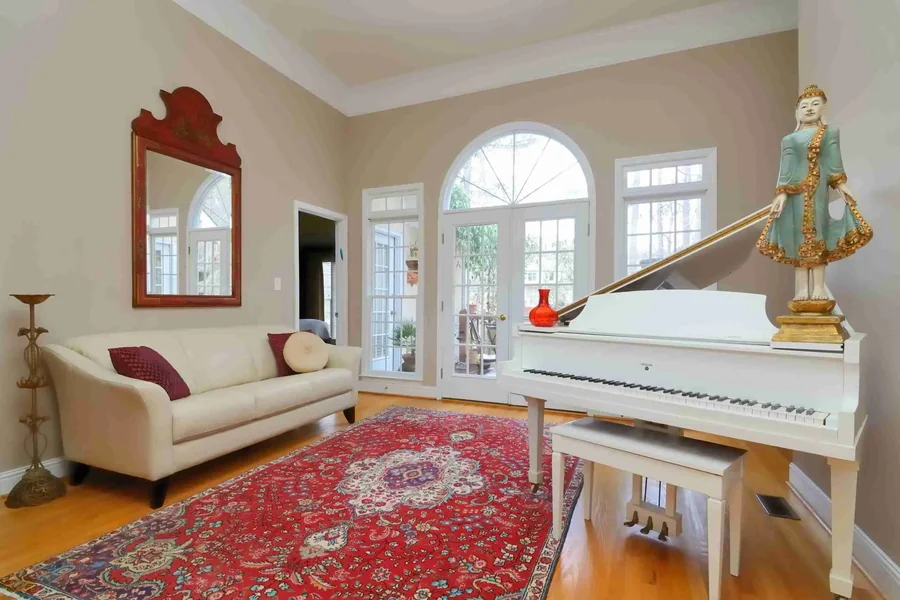
A Persian rug is more than just a floor covering—it’s a work of art, a cultural symbol, and an heirloom that can elevate any space. Choosing the right one requires an understanding of design, craftsmanship, and practicality. Whether you’re a first-time buyer or an experienced collector, finding the perfect rug to complement your home can feel like an art in itself.
Renowned galleries like Bijan Exclusive Rugs have spent decades helping homeowners and designers discover authentic Persian rugs that reflect both personal taste and timeless elegance. In this guide, we’ll explore everything you need to know about choosing the right Persian rug for your home.
1. Understand the History Behind the Craft
Before selecting a rug, it helps to appreciate the artistry that goes into every handwoven Persian piece. Persian rugs have been crafted in Iran (formerly Persia) for over 2,500 years, and each region has developed its own distinctive style, technique, and motif.
Bijan Morshedizadeh explains, “When you buy a Persian rug, you’re not just purchasing décor—you’re acquiring a piece of history. Each knot, pattern, and color combination tells a story about the people and culture that created it.”
Understanding this heritage can deepen your appreciation for the rug and guide your choice toward one that resonates with your aesthetic and emotional connection to craftsmanship.
2. Know Your Space and Purpose
Before diving into designs and colors, consider where the rug will be placed. The size, lighting, and function of the room all influence the type of rug that will work best.
- Living rooms often benefit from large, statement rugs with bold central medallions or intricate floral motifs.
- Dining rooms require durable weaves that can withstand movement and spills.
- Bedrooms often suit softer, subtler tones that create a calming atmosphere.
Bijan Morshedizadeh recommends, “Always measure your space before you start shopping. Persian rugs come in various dimensions, and the right fit transforms the entire room—it anchors the furniture and enhances the harmony of the space.”
A well-proportioned rug helps define zones in open-plan homes and creates a natural sense of balance.
3. Choose the Right Colors and Patterns
Color is one of the most important aspects of a Persian rug. Traditional Persian rugs use natural dyes derived from plants, roots, and minerals, which create deep, lasting tones that age beautifully over time.
- If your décor is neutral, a vibrant rug with reds, blues, and golds can become the focal point.
- If your home has bold colors, a rug in muted creams, beiges, or soft pastels will complement the palette without overwhelming it.
Patterns also play a key role. Floral designs (like Isfahan or Kashan rugs) create elegance and fluidity, while geometric patterns (such as Heriz or Qashqai rugs) bring a more rustic, tribal charm.
At Bijan Exclusive Rugs, clients are often encouraged to view rugs under natural light to truly appreciate their hues and texture before making a decision.
4. Understand Knot Density and Weaving Techniques
One of the most reliable indicators of quality in a Persian rug is knot density, measured in knots per square inch (KPSI). The higher the KPSI, the more intricate and detailed the rug’s design will be. However, that doesn’t always mean a denser rug is better for your needs.
Bijan Morshedizadeh advises, “Finer rugs with a high knot count are exquisite for formal areas, while lower-density rugs offer a more relaxed, textured look that’s ideal for everyday spaces.”
You can check the density by examining the back of the rug—the tighter and smaller the knots, the higher the craftsmanship. Rugs from regions like Nain or Qom are known for exceptional fineness, while tribal pieces such as Gabbeh rugs have a coarser, more organic feel.
5. Consider the Type of Material
Authentic Persian rugs are typically made from wool, silk, or a blend of both. Each material brings its own texture, sheen, and durability:
- Wool rugs are soft, resilient, and ideal for high-traffic areas.
- Silk rugs offer a luxurious sheen and detailed designs, best suited for low-traffic or decorative spaces.
- Wool-silk blends combine durability with refinement, perfect for elegant living rooms or bedrooms.
When in doubt, opt for high-quality wool—it’s naturally stain-resistant, insulating, and long-lasting.
6. Match the Rug Style with Your Interior Design
A Persian rug should complement—not clash with—your existing décor. Consider your interior design theme:
- Modern interiors: Go for rugs with simple patterns, soft tones, or vintage distressed finishes.
- Traditional spaces: Embrace rich, classical motifs with ornate borders.
- Eclectic designs: Mix tribal Persian rugs with contemporary furniture for a bold contrast.
Bijan Morshedizadeh suggests, “Don’t be afraid to mix eras and styles. A traditional Persian rug can add warmth and authenticity to a modern room, while a minimalist rug can ground an ornate space.”
Rugs are versatile—what matters most is how they make you feel in your home.
7. Factor in Maintenance and Longevity
Persian rugs are durable investments that can last generations if cared for properly. To maintain their beauty:
- Vacuum gently to avoid damaging the fibers.
- Rotate the rug every few months to ensure even wear.
- Avoid direct sunlight to prevent fading.
- Have it professionally cleaned every few years.
At Bijan Exclusive Rugs, customers are often guided through maintenance practices to preserve the rug’s value and vibrancy. With regular care, a Persian rug doesn’t just decorate your space—it becomes part of your family’s legacy.
8. Set a Realistic Budget
Persian rugs vary widely in price depending on age, origin, material, and craftsmanship. While authentic hand-knotted rugs are an investment, they also appreciate in value over time, especially antique or limited-edition pieces.
Be wary of deals that seem “too good to be true.” Machine-made or imitation rugs may mimic Persian styles but lack the quality, longevity, and artistry of genuine handwoven pieces.
Bijan Morshedizadeh recommends buying from reputable dealers who provide authenticity certificates and detailed provenance. “A true Persian rug is an heirloom. When sourced ethically and chosen wisely, it becomes a lifelong treasure,” he says.
9. Trust Your Instincts
While knowledge helps guide your choice, emotion often seals the deal. A Persian rug should feel right—both visually and personally. Take your time exploring different patterns and colors until one speaks to you.
The right rug not only enhances your décor but also reflects your personality and values.
Conclusion
Choosing the perfect Persian rug is a journey of artistry, culture, and emotion. From understanding craftsmanship to finding the right color, material, and proportion, every step adds meaning to your decision.
Whether you’re looking for a bold centerpiece or a subtle statement of elegance, a trusted expert can make all the difference. Bijan Exclusive Rugs offers an unparalleled selection of authentic Persian masterpieces, guiding clients toward pieces that bring warmth, heritage, and beauty into their homes.
With thoughtful selection and proper care, your Persian rug will not only transform your space—but also become a cherished part of your home’s story for generations to come.
