

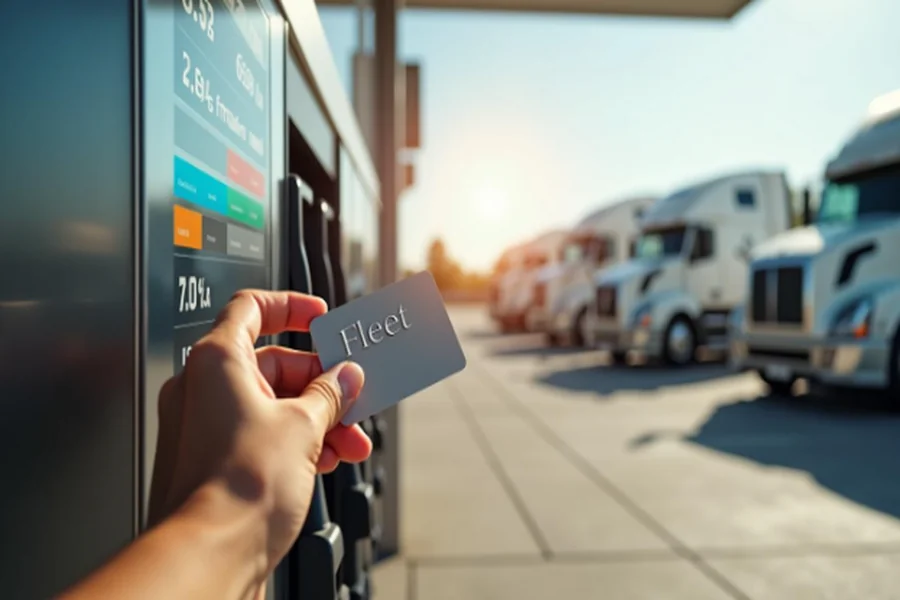
What Are Fleet Cards and How Can They Transform Your Business?
Fleet cards are specialized payment cards designed to help businesses manage vehicle-related expenses, particularly fuel purchases, while providing comprehensive tracking and reporting capabilities. These powerful financial tools enable companies to monitor fuel costs, control spending, and streamline operations across their entire vehicle fleet. Unlike traditional credit cards, fleet cards offer specific features tailored for businesses managing multiple vehicles and drivers, including real-time transaction monitoring, customizable purchase controls, and detailed reporting that can reduce administrative burden by up to 15 hours per month. Esso fuel card solutions offer extensive networks of accepting locations, ensuring your drivers can refuel at thousands of gas stations nationwide while capturing critical data about each transaction.
Key Benefits of Fleet Cards for Modern Businesses
Fleet fuel cards deliver measurable benefits that directly impact your bottom line through fuel savings, enhanced security, and operational efficiency. Companies using fleet cards report average fuel cost reductions of 15-20% through access to wholesale pricing and rebates ranging from 2-8 cents per gallon at participating locations. The automated expense tracking eliminates manual receipt collection and data entry, reducing errors by up to 90% while providing real-time visibility into spending patterns. Fleet managers gain instant access to comprehensive analytics showing fuel consumption trends, driver behavior, and opportunities for cost optimization across their entire operation.
Better Management Through Purchase Controls and Monitoring
Purchase controls represent one of the most valuable features of modern fleet cards, allowing businesses to set specific parameters for each card or driver. Managers can restrict purchases to fuel only, set daily or weekly spending limits, specify authorized gas stations, and limit transactions to business hours. These controls prevent misuse and unauthorized purchases while ensuring drivers have the flexibility needed to complete their routes efficiently. Real-time alerts notify managers of unusual transactions, declined purchases, or potential fraud attempts, enabling immediate response to protect company assets.
Real-Time Reporting and Fleet Management Analytics
Advanced reporting capabilities transform raw transaction data into actionable insights that drive better business decisions. Fleet cards capture detailed information including purchase location, time, gallons purchased, price per gallon, odometer readings, and driver identification for every transaction. This data feeds into comprehensive dashboards showing fuel efficiency metrics, maintenance schedules, and cost-per-mile calculations for individual vehicles or your entire fleet. Customizable reports can be generated instantly or scheduled for automatic delivery, providing stakeholders with the specific information they need to optimize operations and control costs.
Enhanced Security Features Protecting Against Fraud
Fleet cards incorporate multiple security layers that significantly reduce fraud risk compared to traditional payment methods. Each card requires a unique driver PIN or ID number for activation, creating an audit trail linking every purchase to a specific employee. Advanced fraud detection algorithms monitor transactions for suspicious patterns, automatically flagging unusual purchases for review. If a card is lost or stolen, managers can instantly deactivate it through online platforms or mobile apps, preventing unauthorized use. These security measures have helped businesses reduce fraud-related losses by up to 80% compared to cash or standard credit card programs.
Understanding Fleet Card Networks and Acceptance
Fleet cards operate through established networks that determine where drivers can make purchases and what services are available. Universal fleet cards work at virtually any gas station displaying major credit card logos, providing maximum flexibility for long-distance routes. The acceptance network also extends beyond fuel to include maintenance services, parking, and other vehicle-related expenses at authorized merchants, consolidating multiple expense categories into a single billing and reporting platform.
Choosing the Right Fleet Card Program for Your Company
Selecting an appropriate fleet card requires evaluating your specific business needs, fleet size, and operational requirements. Small businesses with 1-5 vehicles benefit from programs with no minimum purchase requirements and simple fee structures, while larger fleets may prioritize volume discounts and advanced analytics platforms. Consider factors including network coverage in your service areas, rebate structures, integration with existing accounting systems, customer service quality, and additional features like maintenance tracking or telematics compatibility. Compare annual fees against projected savings to ensure positive ROI, keeping in mind that most businesses recover program costs within the first 60 days through fuel savings alone.
Implementing Fleet Cards Across Your Organization
Successful fleet card implementation begins with clear policies defining acceptable use, spending limits, and consequences for misuse. The application process typically requires basic business information, estimated monthly fuel spend, and vehicle details, with approval often completed within 24-48 hours. Once approved, cards can be customized with driver names, vehicle assignments, and specific controls before distribution. Training should cover proper card use, PIN security, required documentation like odometer readings, and procedures for reporting problems or lost cards. Most providers offer online training resources and customer support to ensure smooth onboarding for both managers and drivers.
Maximizing Savings Through Strategic Fleet Card Use
Organizations can amplify their fleet card benefits by implementing strategic practices that optimize every aspect of the program. Route optimization software integrated with fleet card data can reduce fuel consumption by 10-15% through more efficient planning. Regular analysis of fuel efficiency reports identifies vehicles requiring maintenance or replacement, preventing costly breakdowns and improving overall fleet performance. Negotiating volume discounts with preferred stations and educating drivers about locations offering the best rebates can increase per-gallon savings by 20-30%. Additionally, using fleet card data to identify and address inefficient driver behaviors like excessive idling or aggressive acceleration can improve fuel economy by up to 15%.
Common Solutions to Fleet Card Challenges
While fleet cards offer substantial benefits, businesses may encounter challenges requiring proactive management. Address driver resistance by emphasizing how cards simplify their jobs by eliminating expense reports and reimbursement delays. Prevent account issues by maintaining updated driver lists, promptly removing terminated employees, and regularly reviewing user access. Combat misuse through clear policies, consistent enforcement, and regular audits of transaction reports. Technical problems with cards or point-of-sale systems can be minimized by ensuring drivers have backup payment methods and 24/7 customer service contact information. Regular program reviews help identify and resolve recurring issues before they impact operations or increase costs.
Future Trends in Fleet Card Technology and Services
The fleet card industry continues evolving with technological advances that promise even greater value for businesses. Mobile apps now enable instant card management, allowing managers to adjust controls, view transactions, and respond to alerts from anywhere. Integration with telematics systems provides comprehensive vehicle tracking, combining location data with fuel purchases for enhanced oversight and efficiency optimization. Artificial intelligence analyzes spending patterns to predict maintenance needs, identify cost-saving opportunities, and detect fraud attempts before losses occur. Electric vehicle compatibility is expanding rapidly, with cards now accepted at thousands of charging stations nationwide, supporting businesses transitioning to sustainable fleet operations while maintaining the same tracking and control benefits.
